

How to Tell Fake Air Jordan Sneakers: Definitive Authentication Guide
Let’s dive right in — the knockoff sneaker market is absolutely vast, and Air Jordans are the number one prey. Market analysis indicate that counterfeit sneakers constitute about $450 billion in global trade each year, and Jordan Brand models represent a massive chunk of that amount. Whether you’re copping from a reseller, an e-commerce platform, or even a brick-and-mortar shop that looks a little too good to be true, mastering how to verify your pair is a must — it’s crucial. I’ve firsthand checked numerous of pairs over the years, and the counterfeits have turned disturbingly realistic, above all since 2024. This article covers every check I use when checking Air Jordans, from the box to the bottom and every element. Keep this one, because it could save you from losing $250 on a pair of kicks that cost someone $12 to produce.
Start With the Box: Your First Line of Verification
The packaging itself contains a set of clues that bootleggers often get wrong, so examine it before you even look at the sneakers. Real Jordan boxes have a characteristic heft and feel to the packaging material — it’s robust, with a gentle matte coating that seems upscale to the hand. Look at the sticker on the end of the air jordan box for the right SKU, size, and colorway name, then compare this data against Nike’s authorized product database or established sources like Nike.com. The text on genuine labels is clean and consistently spaced, while counterfeits regularly feature uneven spacing, slightly bolder text, or inaccurate font styles. Look closely at the barcode — read it with any barcode scanner and check it shows the proper product data. The tissue paper inside real boxes also has a distinct texture and thickness; counterfeit packaging often uses cheaper, poor-quality paper that rips more quickly. Many veteran experts can recognize a counterfeit within 30 seconds just by inspecting the box, so never ignore this essential initial checkpoint.
Checking the Shoe Build Quality and Materials
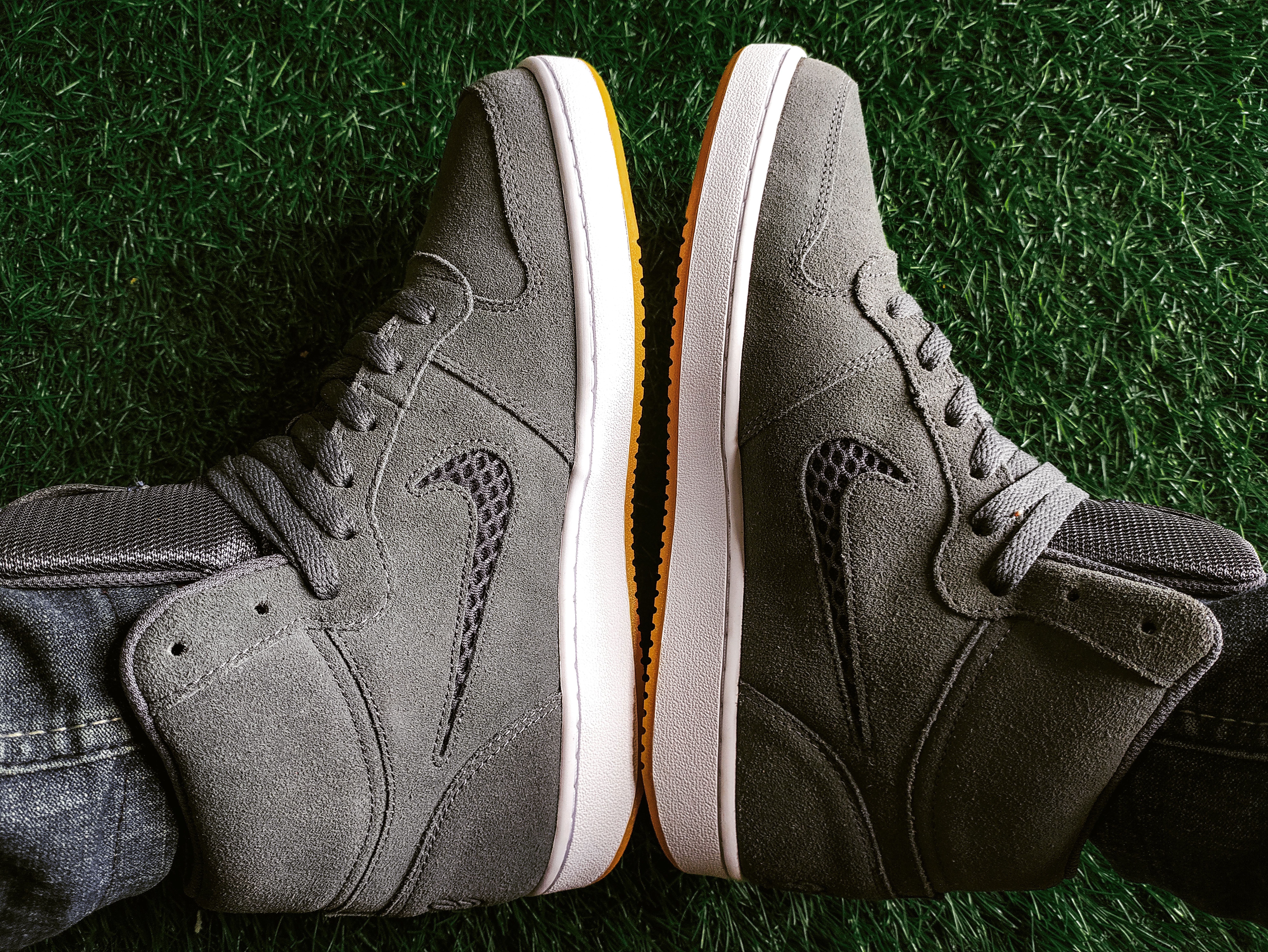
Real Air Jordans use premium materials with a buttery, even grain across the entire upper — take the sneaker and assess the leather yourself. On the Air Jordan 1, authentic leather panels should be smooth but supportive, not plastic-like or unnaturally stiff, and the tumbled leather on particular releases should have a genuine, non-uniform texture rather than a printed, cookie-cutter pattern. Stitch quality is one of the most trustworthy signs: authentic pairs show close, consistent stitches with no hanging threads, unraveling, or irregular gaps. Count the stitches on important sections like the swoosh and the wings logo — Nike keeps specific stitch counts that vary by model and size, and bootleggers hardly ever nail these perfectly. The general shape of the pair counts too; legitimate Air Jordan 1s have a signature hourglass silhouette when viewed from the back, while many knockoffs look unnaturally straight or blocky. Slide your finger along the midsole where it meets the upper — authentic shoes have seamless, tight bonding with no apparent excess glue or gaps.
The Outsole and Air Unit: Aspects That Fakes Get Wrong
Rotate the sneaker over and check the sole pattern thoroughly against legitimate images from genuine releases. Real Air Jordan bottoms have sharp grip patterns with crisp lines and consistent depth across the entire surface. The outsole rubber on official pairs has a distinct density and mild translucency on certain models (like the Air Jordan XI’s clear sole) that bootleg factories fail to copy precisely. Push hard on the heel zone to test the Air unit — genuine Nike Air units has a unique responsiveness that cheap foam inserts simply cannot reproduce. On models with see-through Air units, like the Air Jordan 3, 4, or 5, examine the Air chamber for clearness, proper size, and accurate placement within the midsole cavity. The Jumpman icon on the outsole should be crisply defined with no blurring or irregularities in the lines, and on the Air Jordan 3, the body ratios of the figure should correspond to official photos exactly. Hue uniformity between the sole and mid-section is another red flag — replicas frequently have slight shade mismatches that are instantly visible when compared side by side with retail pairs.
Tags, Labels, and the Nike Size Tag Examination
The inside size tag is probably the single most examined element in sneaker authentication, and for a good reason — it contains multiple layers of traceable information. Genuine Nike sizing labels display exact typefaces, kerning, and layout that change from time to time, so you have to compare against tags from the corresponding production run. The tag should show the accurate product code matching the box, a manufacturing date that corresponds to the documented release date, and manufacturer codes that match authorized Nike production plants. In 2026, Nike size tags usually show a QR code alongside the classic barcode — check both and ensure they link to valid item details. The text quality should be clear with no running, and the tag substrate itself should feel sleek and a bit waxy, not grainy or flimsy. I always recommend photographing the tag under zoom and comparing it against verified authentic pairs from archives run by legit-check services like CheckCheck or Legit Check. If any particular feature on the size tag feels wrong — incorrect font, uneven spacing, odd material — treat it as a serious concern significant enough to rethink the transaction.
The Odor Test and Other Non-Visual Assessments
Veteran collectors know that genuine Air Jordans have a distinctive scent that’s virtually impossible to copy, although this might seem odd if you’re new to legit checking. Real Nike products have a clean, delicate leather and rubber scent that originates from the specific materials and adhesives used in licensed manufacturing plants. Replica kicks frequently give off harsh chemical fumes, intense factory glue, or have an fake “new shoe” smell that’s been misted on to hide manufacturing odors. Beyond the sniff test, put on a scale the shoes — genuine pairs within the same model and size should be within a handful of grams of each other, and many verification resources share documented weight ranges for sought-after models. Flick the sole lightly and pay attention; authentic Air cushioning produces a subtly hollow, echoey noise, while solid foam counterfeits often make a duller thud. Examine the inner lining for consistent texture — real pairs have neatly installed inner linings without bunching, folds, or uncovered bonding agent. These tactile assessments back up the visual inspection and offer extra data points that strengthen your comprehensive assessment.
| Authentication Checkpoint | What to Look For | Common Fake Giveaways |
|---|---|---|
| Box and Labels | Correct style code, crisp fonts, matching barcode | Uneven text, wrong font weight, non-scanning barcodes |
| Leather and Materials | Supple grain, consistent texture across panels | Plasticky feel, stamped repetitive patterns |
| Stitching | Uniform gaps, accurate stitch numbers, clean threads | Uneven gaps, loose threads, mismatched thread colors |
| Sole | Sharp tread design, proper rubber density | Weak tread depth, bad rubber mix, color discrepancy |
| Product tag | Accurate fonts, scannable codes, real factory identifiers | Fuzzy printing, bad spacing, QR codes that don’t scan |
| Air Unit | Springy Air response, clean Air windows | Flat foam feel, cloudy or off-center Air bubbles |
| Scent | Natural leather-rubber aroma | Overpowering chemical fumes or industrial glue scent |
Using Modern Technology and Third-Party Services
Technology and paid authentication services offer an invaluable safety net when your own examination leaves you uncertain. Apps like CheckCheck and Legit Check by Ch permit you to provide high-resolution photos and get trained verdicts, typically within several hours, for a price between $5 and $15. UV testing uncovers secret details — genuine Nike shoes often have unique blacklight-visible markings and adhesive traces applied during quality control in Nike-contracted plants. Some authenticators pick up digital microscopes (priced for under $50) to analyze stitch work and print clarity at magnifications that uncover even the most sophisticated knockoffs. In 2026, Nike’s own SNKRS app includes advanced verification tools for official buys, including blockchain-verified authentication certificates for certain limited-edition drops. Never be reluctant to use numerous verification methods at the same time — trained checkers use a floor of five inspection steps before rendering a judgment, and you should adopt the same approach for any purchase above $150.
Where to Shop and Danger Signs to Look Out For
The most reliable way to sidestep fakes is buying from authorized retailers, Nike itself, or well-known resale platforms with embedded inspection. StockX, GOAT, and eBay’s Authenticity Guarantee all employ trained checkers who check every pair before delivering. Be incredibly careful of social media sellers promoting “deals” on coveted editions — if a $400 pair is available for $150, there’s a explanation. Be aware of sellers who decline extra photos, rush quick transactions, or insist on risky payment types like crypto or prepaid cards. Newly created accounts, non-original photos instead of real pictures of the shoes, and unclear product info are huge red flags. Always request dated photos with the seller’s handle visible before agreeing to direct transactions. The number-one rule hasn’t changed: if the deal feels too good to be true, passing is always cheaper than paying for fakes.